

Insight · 16 March 2026
Do I need an architect?
Not every project needs an architect. That may sound like a strange thing for an architect to say, but it is the honest answer.
Some projects are simple. Some clients know exactly what they want. Some works are modest enough that a good builder, a clear specification and sensible decisions may be enough.
If the aim is a simple box on the back of a house, with little planning risk and no particular design ambition, then a full architectural service may not be necessary. You might only need early advice, a measured drawing package, or help with planning or building regulations.
The better question is not simply, "Do I need an architect?"
It is, "What do I want this project to achieve?"
If the answer is only more space, the route may be relatively straightforward. If the answer is better light, better flow, better materials, a stronger planning argument and a home that feels genuinely better to live in, then an architect can change what is possible.
Not every project needs an architect
There are projects where appointing an architect from beginning to end may not be the right use of money.
A very simple permitted development extension, a small internal alteration, or a straightforward renovation may not need a full architectural service. If the answer is already clear, the risk is low and the client is happy with a simple builder-led approach, then it may be sensible to keep things simple.
That does not mean an architect has no value. It may mean the value is needed only at a particular stage.
An architect might help with:
- early feasibility advice
- testing the brief
- reviewing planning risk
- preparing drawings for approval
- advising on specification
- avoiding mistakes before work begins
Sometimes that limited input is enough. Every project is different.
When an architect adds value
An architect becomes valuable when the project has complexity, risk or ambition.
That might mean a listed building, a conservation area, a complex planning context, an awkward existing house, a high-value property, a tight budget or a brief where the client wants more than simply adding square metres.
It is also true when the client cares about design.
A project does not have to be enormous to benefit from careful architectural thinking. Even a modest extension or interior project can be transformed by better light, better proportions, better materials and better detailing.
The value is not always in making a project bigger. Often, it is in making it better.
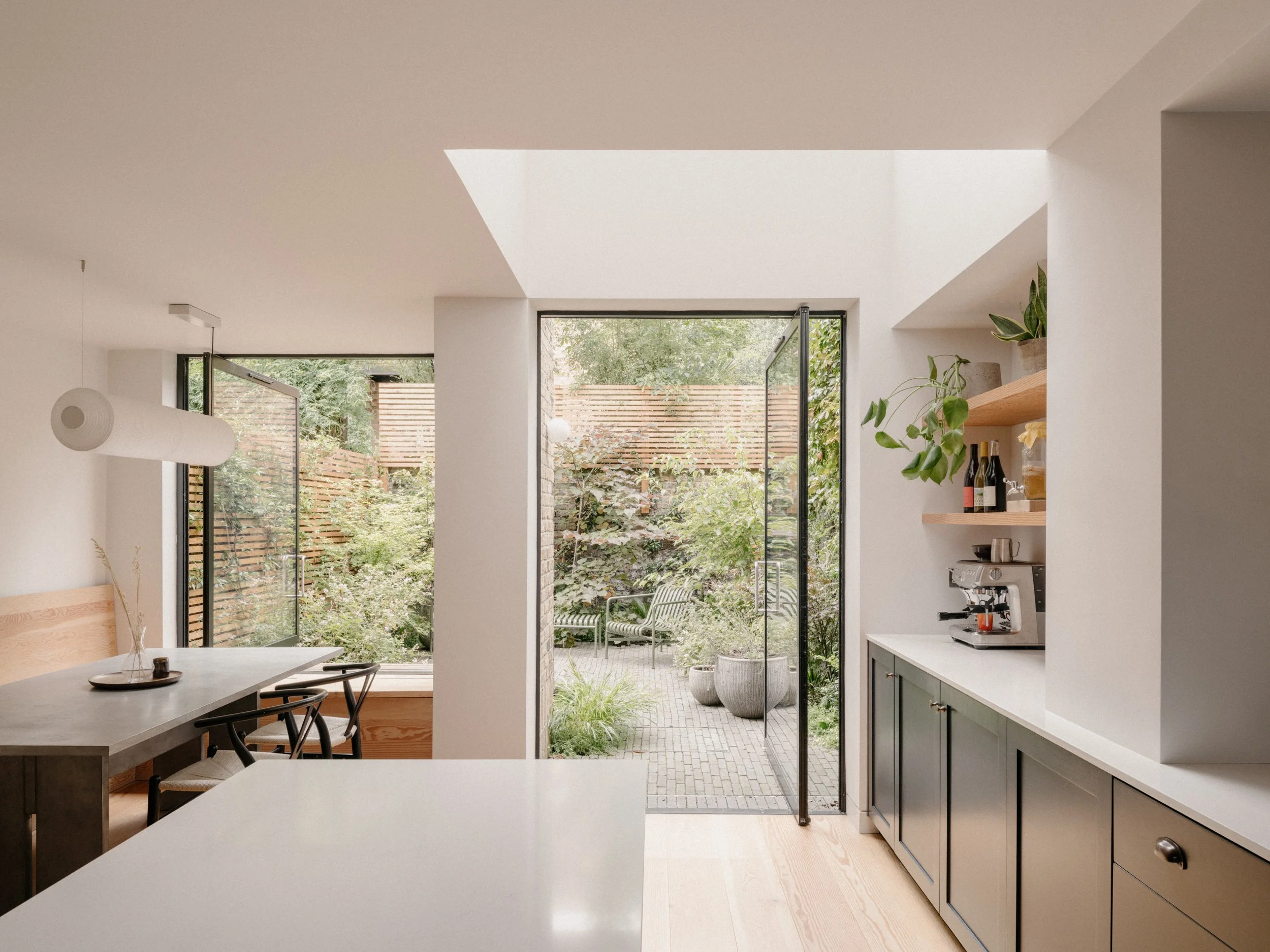
It might be a clearer plan, a better connection to the garden, a calmer kitchen, more natural light, more useful storage, or a more coherent relationship between the old house and the new work.
Good architecture is often about making the right move, not the biggest one.
It is not just about drawings
One of the biggest misunderstandings is that architects only produce drawings.
Drawings are part of the process, but they are not the whole service. A good architect helps shape the brief, test the options, coordinate consultants, manage risk, guide cost decisions, select contractors, develop specifications and protect quality as the project moves forward.
Every architect works differently, which is why a clear scope matters. At Joshua Heasman Architecture, our role is often broader than preparing drawings for planning. We help clients understand the route ahead and make better decisions at each stage.
That might include planning advice, party wall coordination, consultant appointments, cost reviews, contractor selection, interior design, specification and site-stage quality control.
A good architect should know when to push an idea, when to simplify it, when to spend money and when not to.
That judgement is often where the value sits.
Planning, cost and quality
Planning is one area where an architect can make a real difference.
Some projects are straightforward. Others need a proper design argument. They need to respond to the house, the street, the wider context and the relevant planning policy. They also need someone who can explain why the proposal is appropriate.
We have worked on contentious projects where the planning route was not simple, but where a carefully considered design helped move the project forward. That process is not about forcing something through. It is about understanding the site, reading the context and creating a proposal with a clear architectural logic.
Cost is part of that same process.
A beautiful design that cannot be built within the client's budget is not a successful outcome. We discuss cost early, review it as the design develops and help clients understand where money is going.
Sometimes value comes from spending more in the right place. Sometimes it comes from simplifying. The judgement is knowing the difference.
Quality also has to be managed. It does not happen by accident.
It comes through the brief, the drawings, the specification, the contractor selection, the samples, the mock-ups and the decisions made on site. This is especially important where the finished result depends on clean lines, careful junctions, natural materials, integrated lighting or bespoke joinery.
These things need to be thought through. They cannot simply be left to the end.
Examples from our work
On one project in Putney, we were appointed after two previous architects had struggled to get the scheme through planning.
The project needed reworking, but it also needed a stronger design argument. We reviewed the proposal, reconsidered the massing and developed a revised approach that could be properly justified.
The result was not a reduced scheme. We secured planning with an enlarged first floor.
That is a good example of where an architect can add value. The value was not just in drawing a different version of the house. It was in understanding why the previous approach had struggled, identifying where the opportunity still existed, and creating a design that could be supported.
On a North London villa project, we were involved from the very beginning.
Before the client committed fully, we helped them understand the property, the surveys, the likely costs and the potential of the building. That early advice gave them a clearer picture of what they were taking on.
From there, we developed the brief, worked through the planning strategy, coordinated the wider team and helped move the project towards site. Alongside the design work, we supported the client through party wall matters, cost analysis, consultant appointments and contractor discussions.
This is often where an architect's experience becomes most useful. It is not just about what the house could look like. It is about understanding the route from idea to completion.
Does your project need an architect?
Not always.
If the project is simple, low risk and the ambition is modest, you may not need an architect for the full journey. You may only need limited advice, or you may be able to proceed with a builder and a straightforward package of information.
But if the project is complex, high-value, planning-sensitive, design-led or important to the way you want to live, then an architect can be one of the most valuable appointments you make.
The right architect should not simply add cost. They should help you make better decisions, avoid mistakes, protect quality and create a home that is more considered, more coherent and more enjoyable to live in.
Every project is different. If you are unsure what level of support you need, we are always happy to have an initial conversation and advise where we think an architect can help, and where a lighter-touch approach may be more appropriate.
The real question is not whether every project needs an architect.
It is whether your project would be better with one.

